How I Work With Clients
It was in my own personal journey where I realized what actually works. It wasn’t in “talking about my trauma” or “trying to cognitively understand my story” when my life changed. It was when I learned how to slow down, sit with my body sensations, and process my mind as parts holding wounds not just random anxious thoughts or fears.
This is not traditional talk therapy—this is therapy grounded in the body, multiplicity of mind, and ancient wisdom.
Men’s Therapy Groups
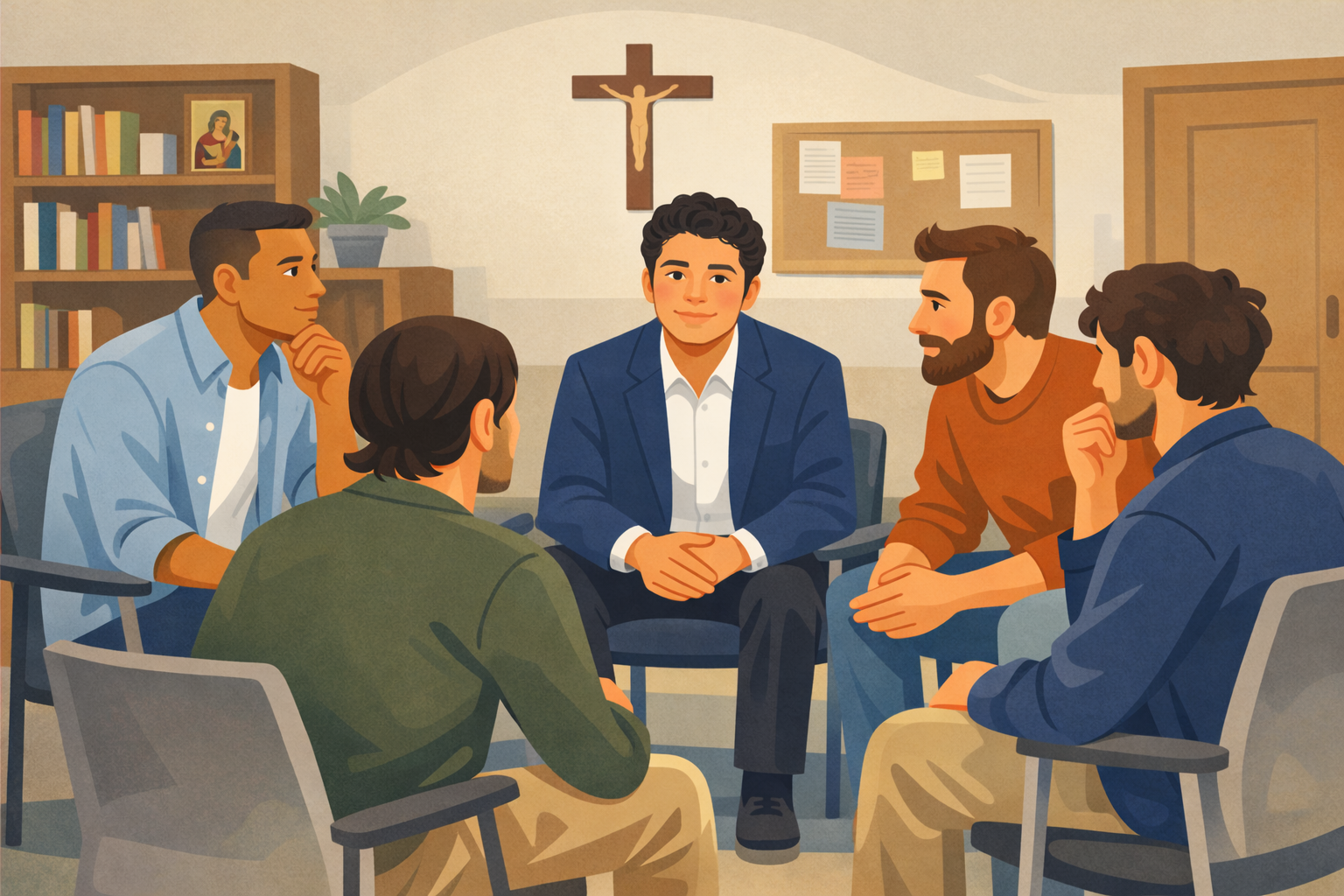
Most men were never taught how to process their wounds — they were taught how to endure by shoving things down and ignoring them. Currently, our men’s groups are centered on overcoming addiction, learning how to focus, and processing childhood wounds.
Doing it alone isn't strength. It's the condition that keeps men stuck in patterns they can’t break. Genuine healing happens when we sit with other men and are honest about our struggle — something that no amount of individual work can fully replicate. The defenses come down. The shame loses its power. And for the first time, a man realizes he's not broken, and he is not alone. Men's group therapy isn't about venting or being vulnerable for its own sake. It's about being received, challenged, and known. We all need encouragement, this isn’t being soft, it’s being human.
[Click here to learn more about our Men’s Groups].
Learn about every treatment modality.
Internal Family Systems (IFS) Therapy
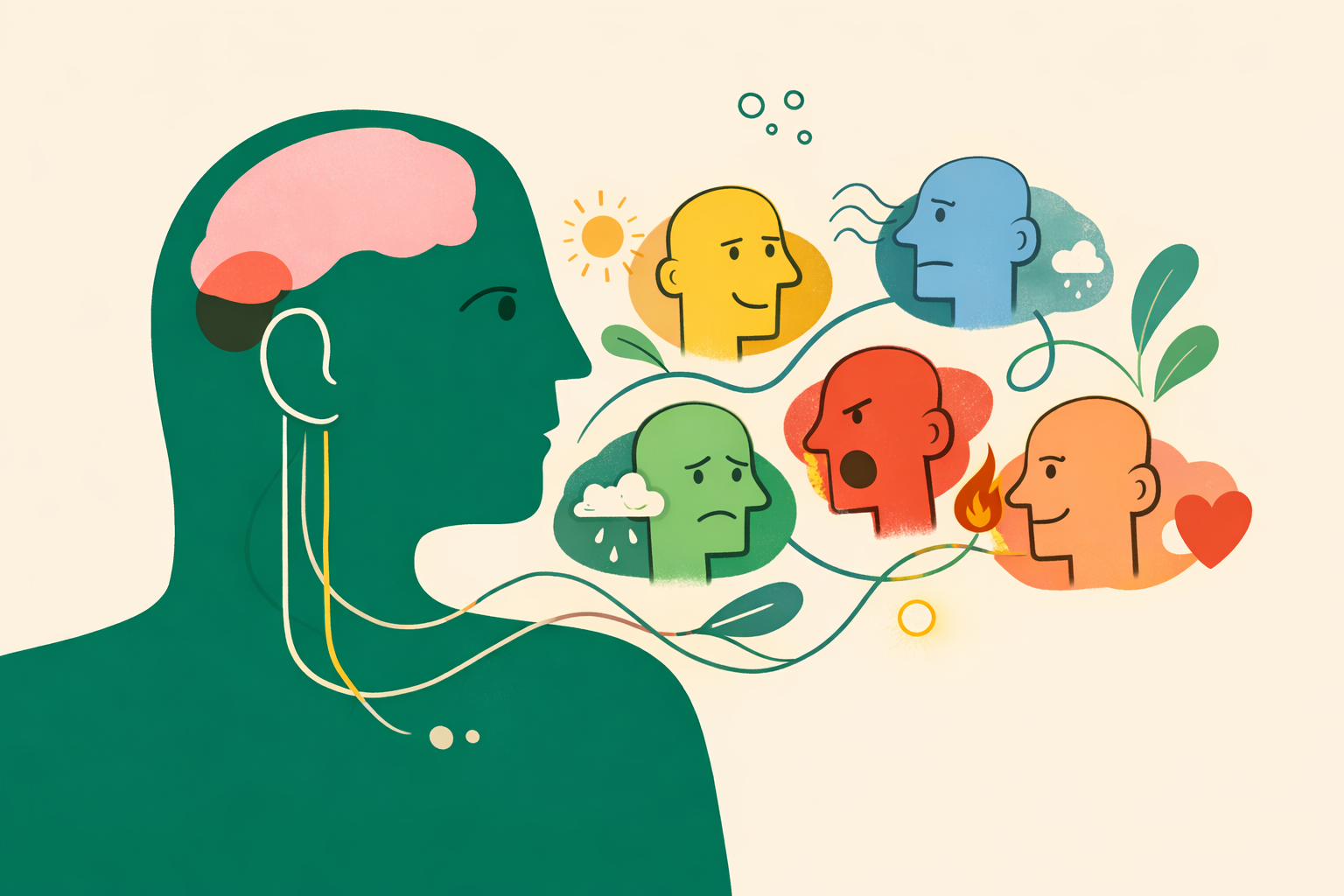
Therapy isn't about forcing change or eliminating parts of you. Research and clinical experience show that when people learn how to develop an internal relationship with all parts of themselves, symptoms soften over time.
You're not broken—you're a system of parts trying to protect you through anger, shame, numbing, or compulsive behavior. IFS helps you understand what each part is protecting you from and why it's stuck in patterns that no longer serve you.
Internal Family Systems focuses on the process of symptom transformation rather than symptom reduction, helping people understand and relate differently to their inner world.
Somatic (Body-Based) Therapy
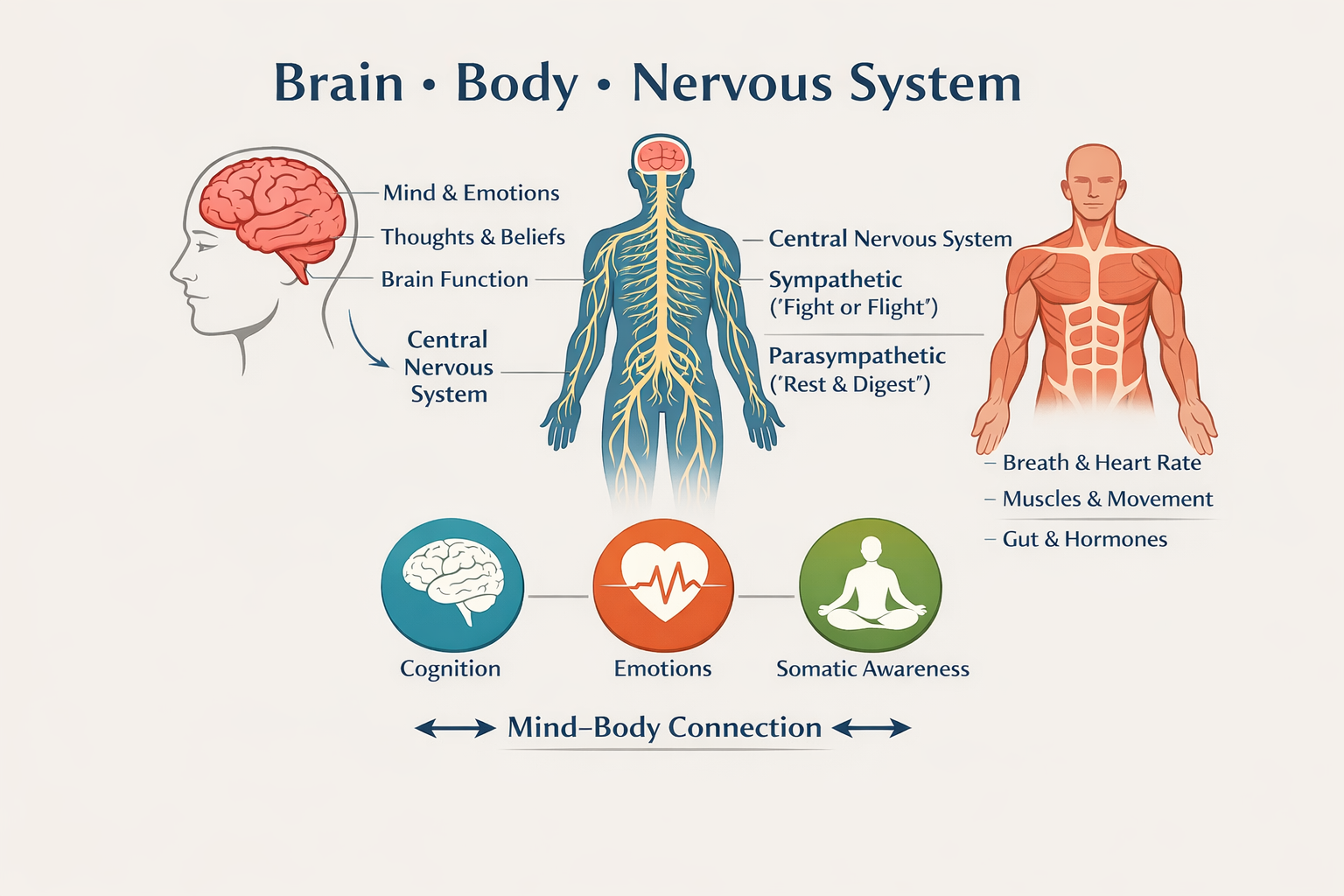
Your body remembers what your mind tries to forget. Anxiety, anger, and compulsive behavior aren't just mental problems—they're survival responses stored in your body. Body-based therapy targets these patterns directly, working with the physical sensations, tension, and dysregulation that talk therapy alone can't reach.
When we address what's stored in your body, lasting change becomes possible—not through willpower, but through embodied regulation and release.
Faith Integrated Therapy
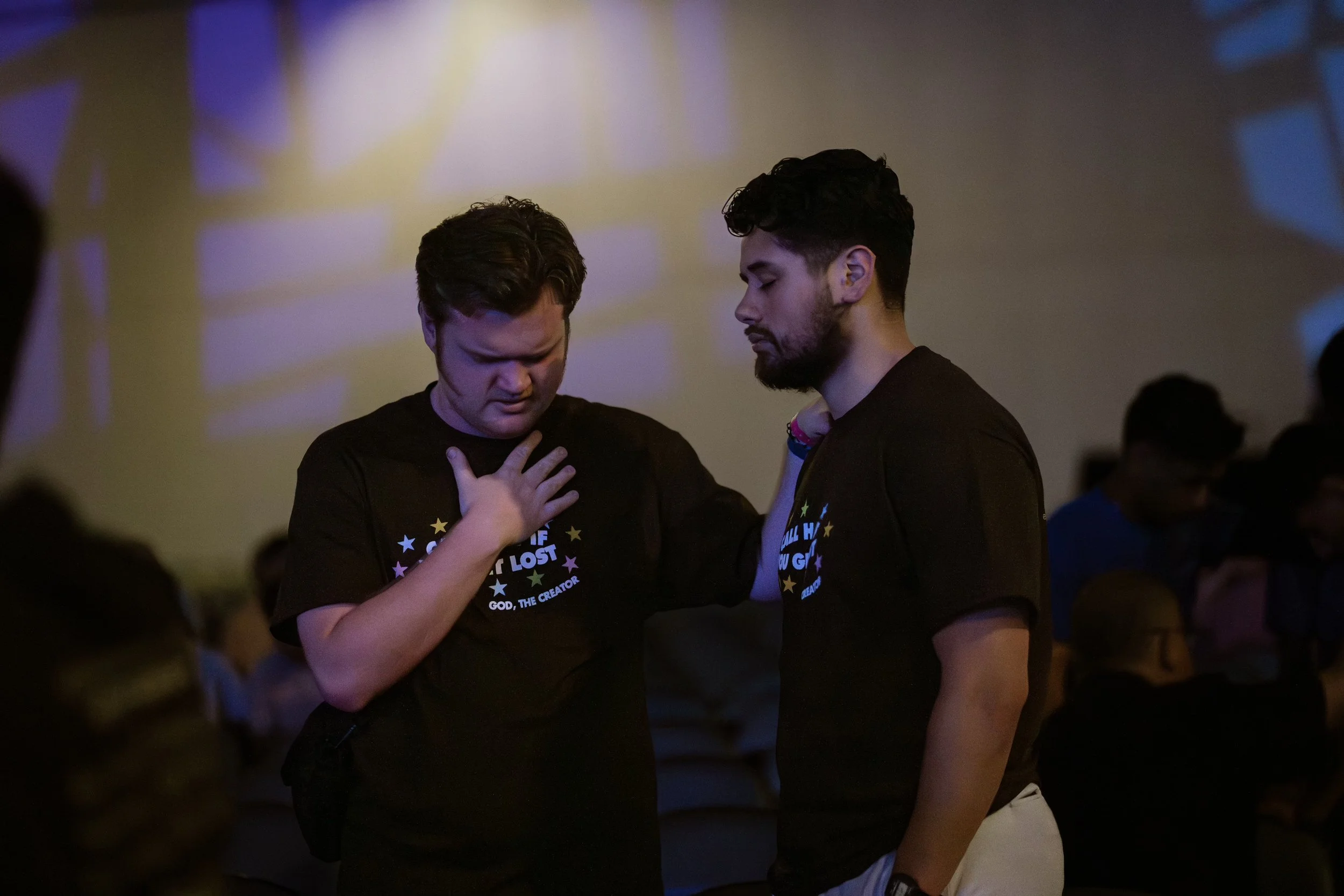
Psychological struggle has spiritual roots. Shame isn't just a feeling—it's tied to moral failure and distorted images of God. Compulsive behaviors aren't just habits—they carry spiritual bondage. Anxiety isn't just neurotransmitters—it's a disordered relationship with God, your self, and others.
I work with men who know their healing requires both clinical insight and spiritual understanding. My approach is grounded in Catholic tradition and clinical psychology. The human person is both body and soul. I don't spiritualize psychological issues or reduce spiritual struggles to brain chemistry.
When psychology and faith work together, healing isn't symptom management—it's transformation in Christ.
[Learn more about Catholic Therapy here}